
Your SportsHeart
Experience
Safeguard your performance with precision screening and prevention led by our experts in heart health.
Step 1 - Preparation

Detailed Health Questionnaire
Before you ever step into the clinic, we get to know you. You’ll complete a concise online health questionnaire covering training history, family and medical background, lifestyle factors, and any symptoms you’ve noticed.
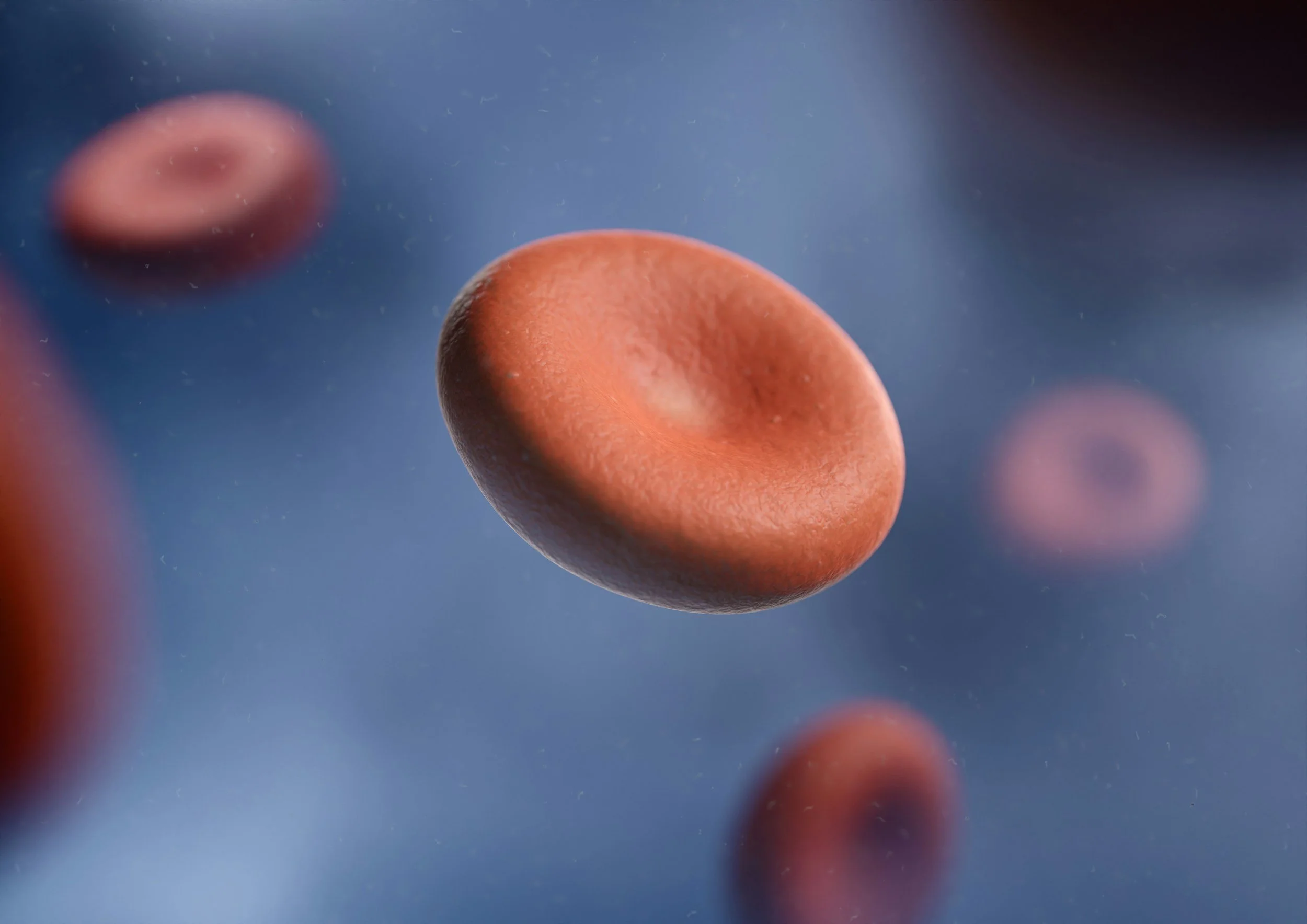
Targeted Pathology
Detailed pathology forms guide your blood tests, ensuring we capture key biomarkers including:
Electrolytes & Liver Function tests
Cholesterol (HDL/LDL) and Triglycerides
Blood Glucose (HbA1c)
Ferritin
Inflammation marker (hs-CRP)
An extended panel of pathology will soon be available to add-on, to include (please request at point of booking):
Lipoprotein (a): A genetically determined particle that is far more atherogenic than regular LDL — elevated levels signal independently elevated heart attack and stroke risk.
Apolipoprotein B (apoB): Counts every atherogenic lipoprotein particle in your blood, giving a more accurate picture of cardiovascular risk than LDL-cholesterol alone, especially in diabetes or high triglycerides.
All forms are digital and ready to be downloaded after booking in.
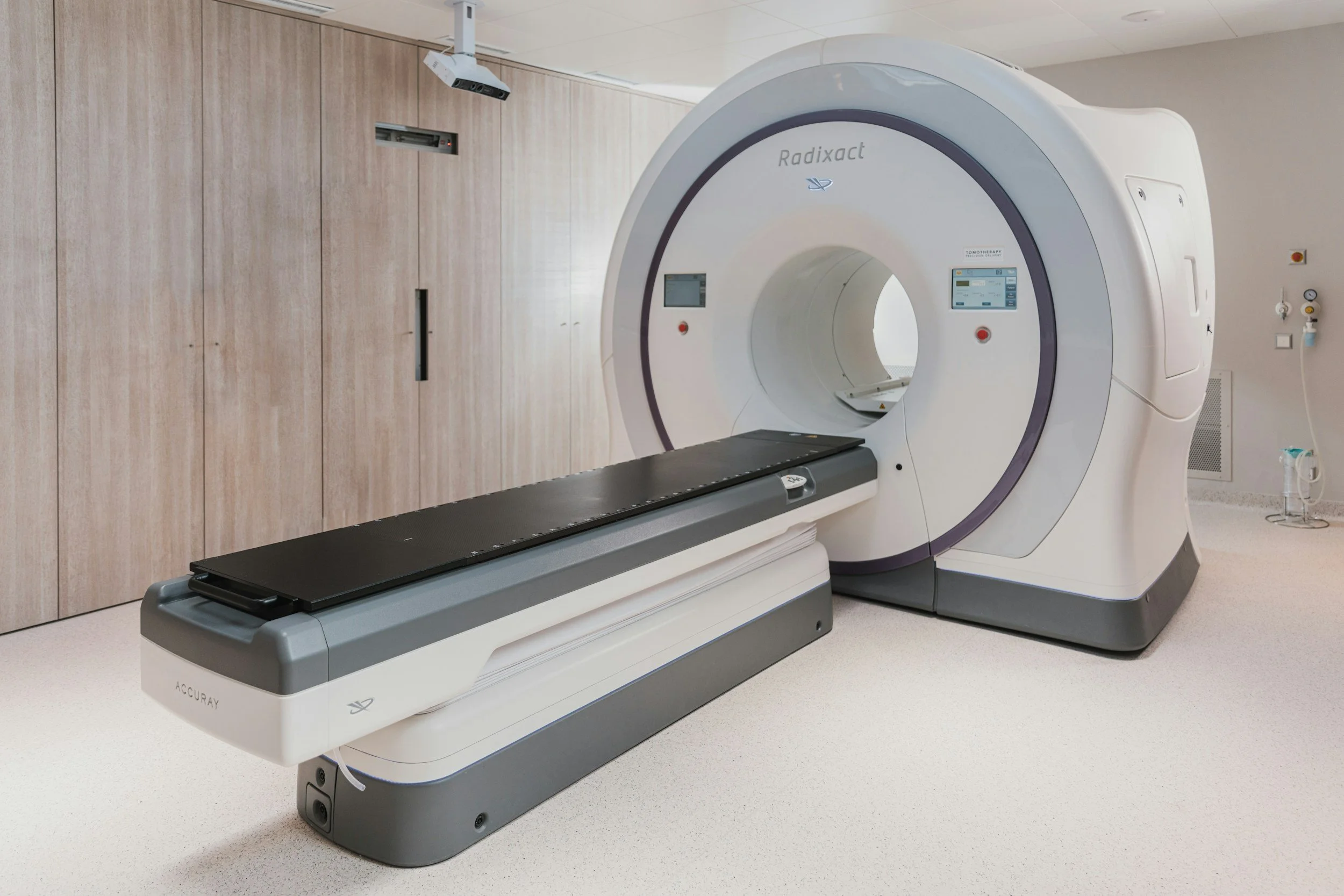
Coronary Artery Calcium (CAC) Score
For eligible participants, a Coronary Artery Calcium (CAC) Score may also be arranged before your clinic visit, giving your doctor a current benchmark of underlying coronary artery risk. This complements your stress echocardiogram by adding insight into future risk, not just how your heart is performing on the day.
Step 2 - Your In-Clinic Assessment
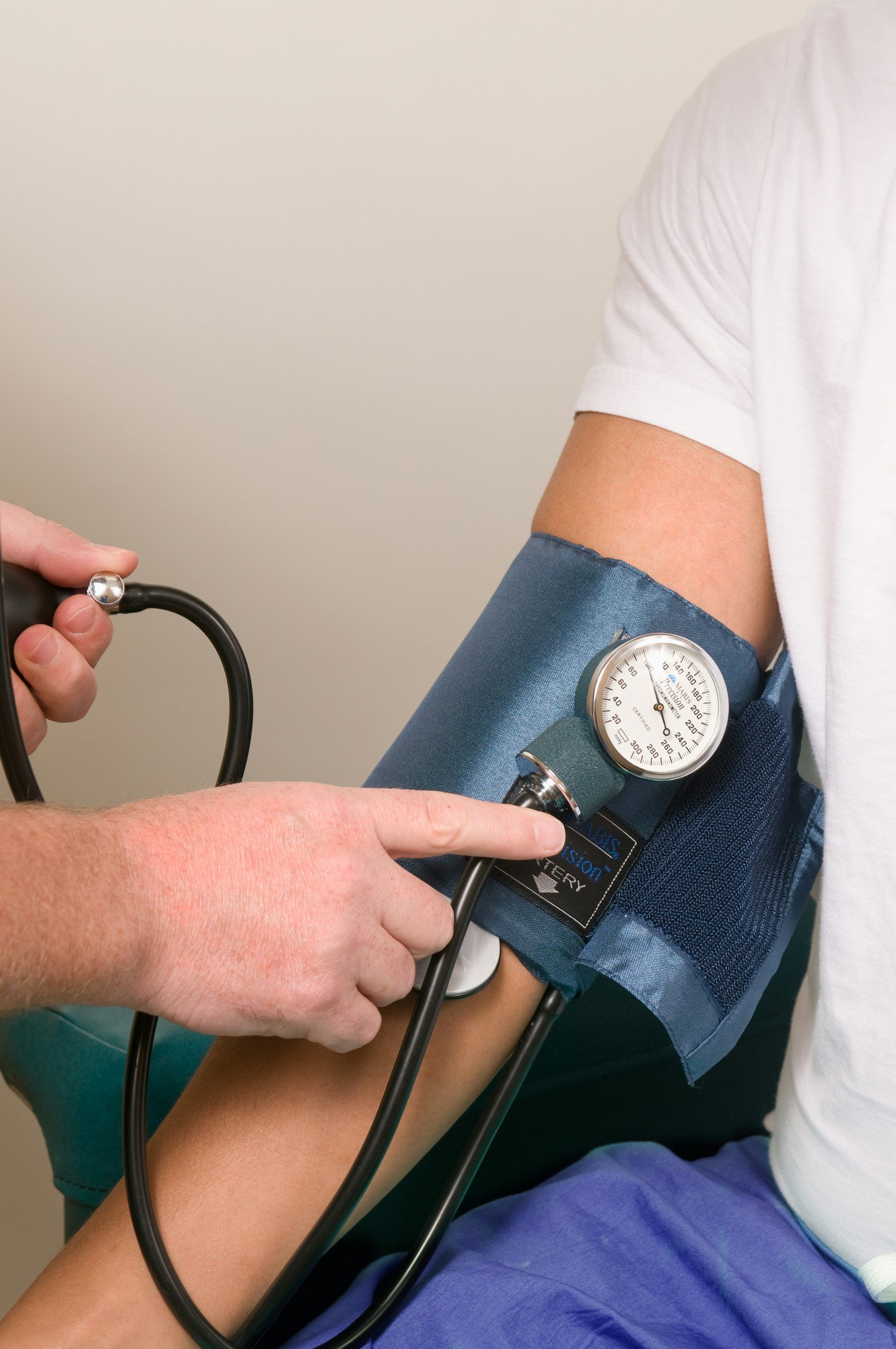
Biometrics
Your biometrics tell us more than a number on a scale. Waist circumference tracks visceral fat load. Blood pressure flags arterial health. Waist-to-hip ratio is one of the strongest independent predictors of cardiovascular risk. Together, these five measures give us the physical baseline every assessment is built on.
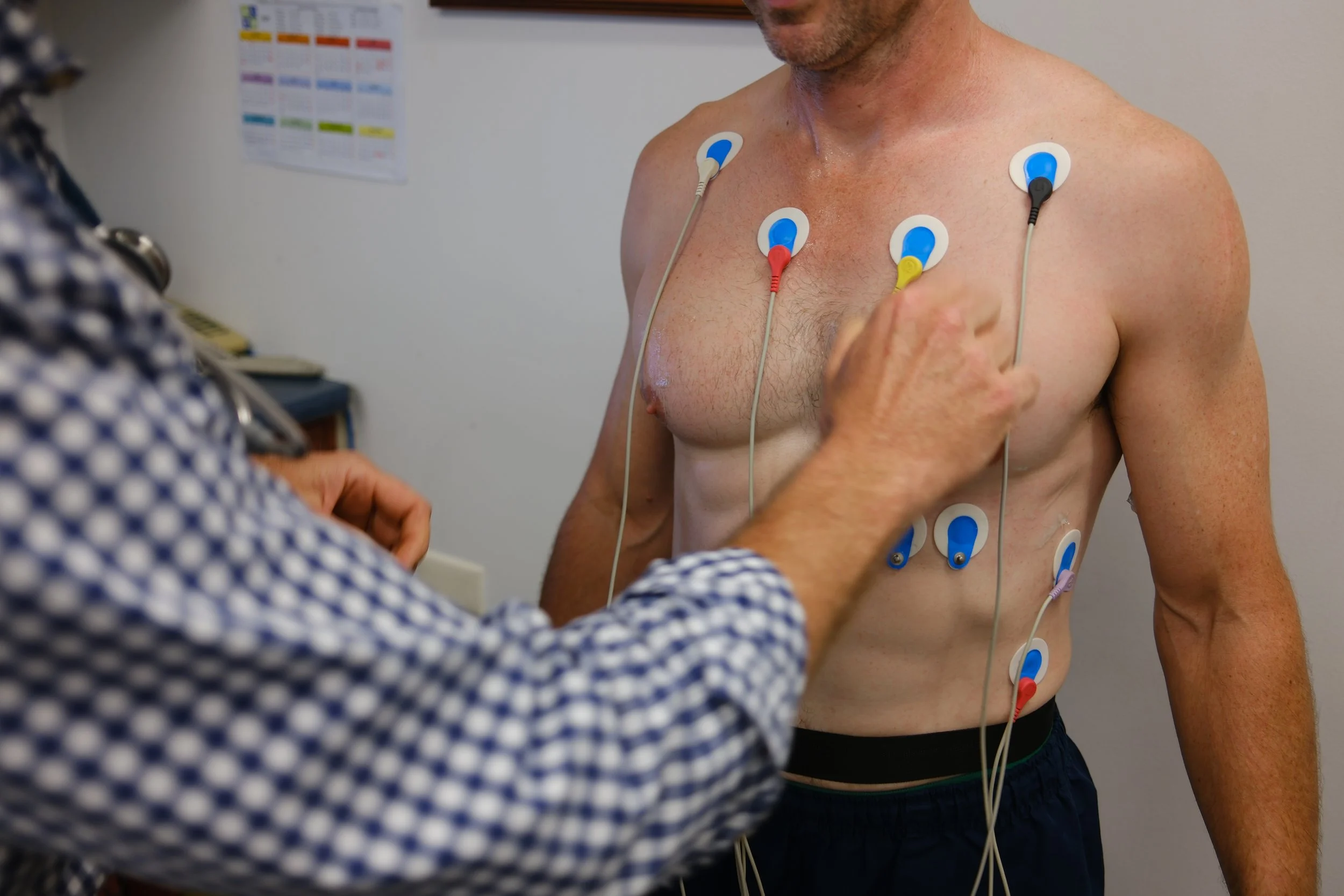
Heart Testing
Resting & Stress ECG: We monitor your heart’s electrical activity at rest and under graded exercise to spot any electrical or ischemic issues.
Focussed and Stress Echocardiogram: A high-resolution ultrasound scan visualises your heart’s structure and function, valves, chamber size, wall motion and more.
The focused echocardiogram uses ultrasound to visualise your heart’s structure and function: measuring chamber sizes, wall motion and valve performance when you’re relaxed.
During exercise, the stress echocardiogram shows in real time how those same structures adapt under load, spotlighting stress-related changes in contractility or blood flow.
All tests are guided by our experienced sonographers and supervised by doctors, ensuring safety, clear instruction and real-time feedback throughout.
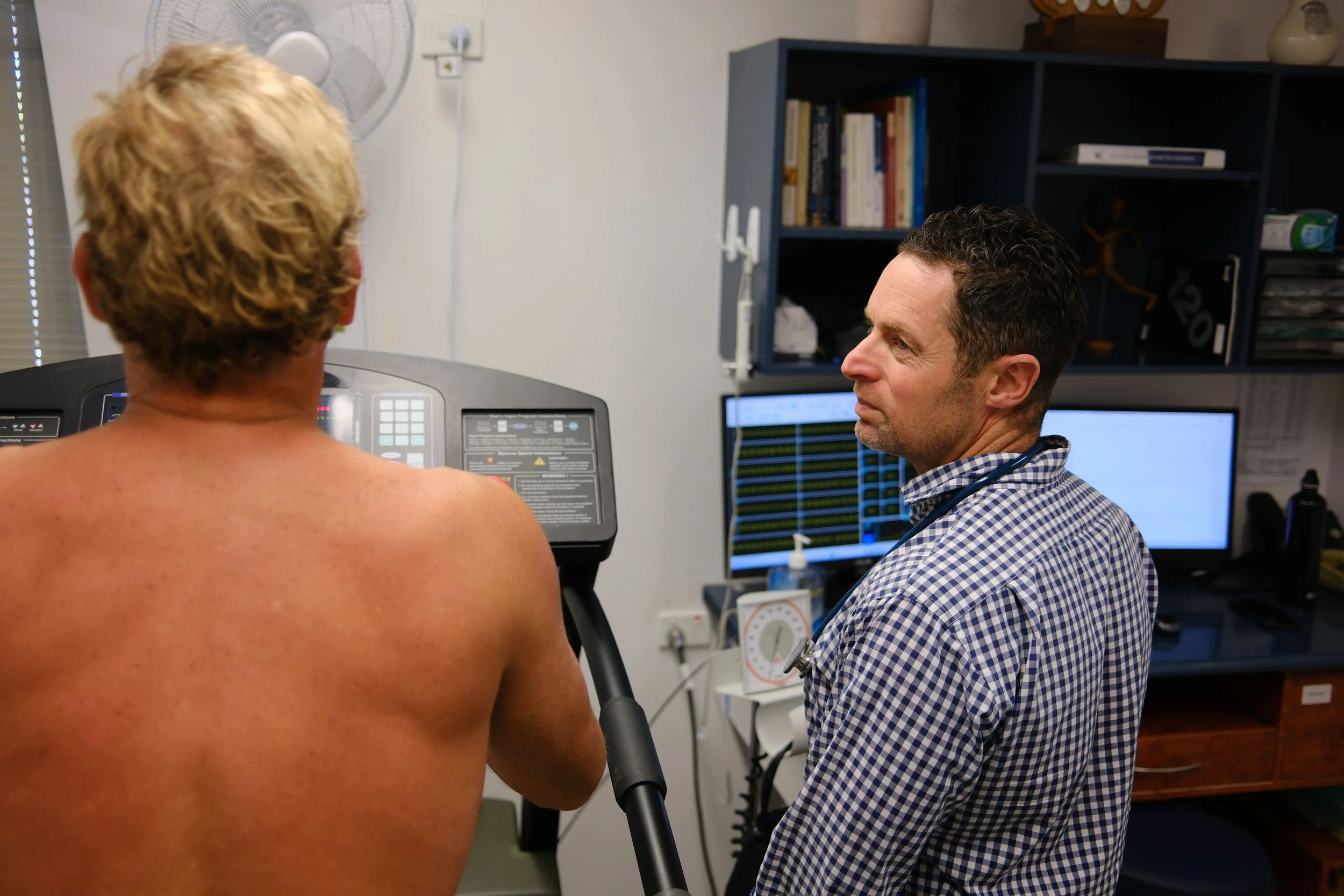
Fitness Testing
VO₂max Estimate: On a treadmill, we measure your maximal oxygen uptake to quantify aerobic fitness. This metric gives you an objective benchmark of your endurance capacity.
Step 3 - Your Results Explained

Post-Assessment Consultation & Strategy Session
With data from your questionnaire, pathology, resting and exercise screenings, biometrics and insight from our cardiologists, you’ll meet digitally with our senior doctors for a one-on-one review.
Together you’ll walk through your own actionable snapshot of cardiovascular health and risks, lifestyle and familial risks as well as your aerobic fitness, empowering you to train smarter and monitor your risks and progress reliably.
Finally, you and your doctor will co-create actionable strategies, whether that’s tailored training adjustments, medical interventions, specialist referrals, or lifestyle recommendations - so you leave with both clarity and confidence to train smarter and stronger with a better understanding your cardiovascular health.
Further Testing If Required
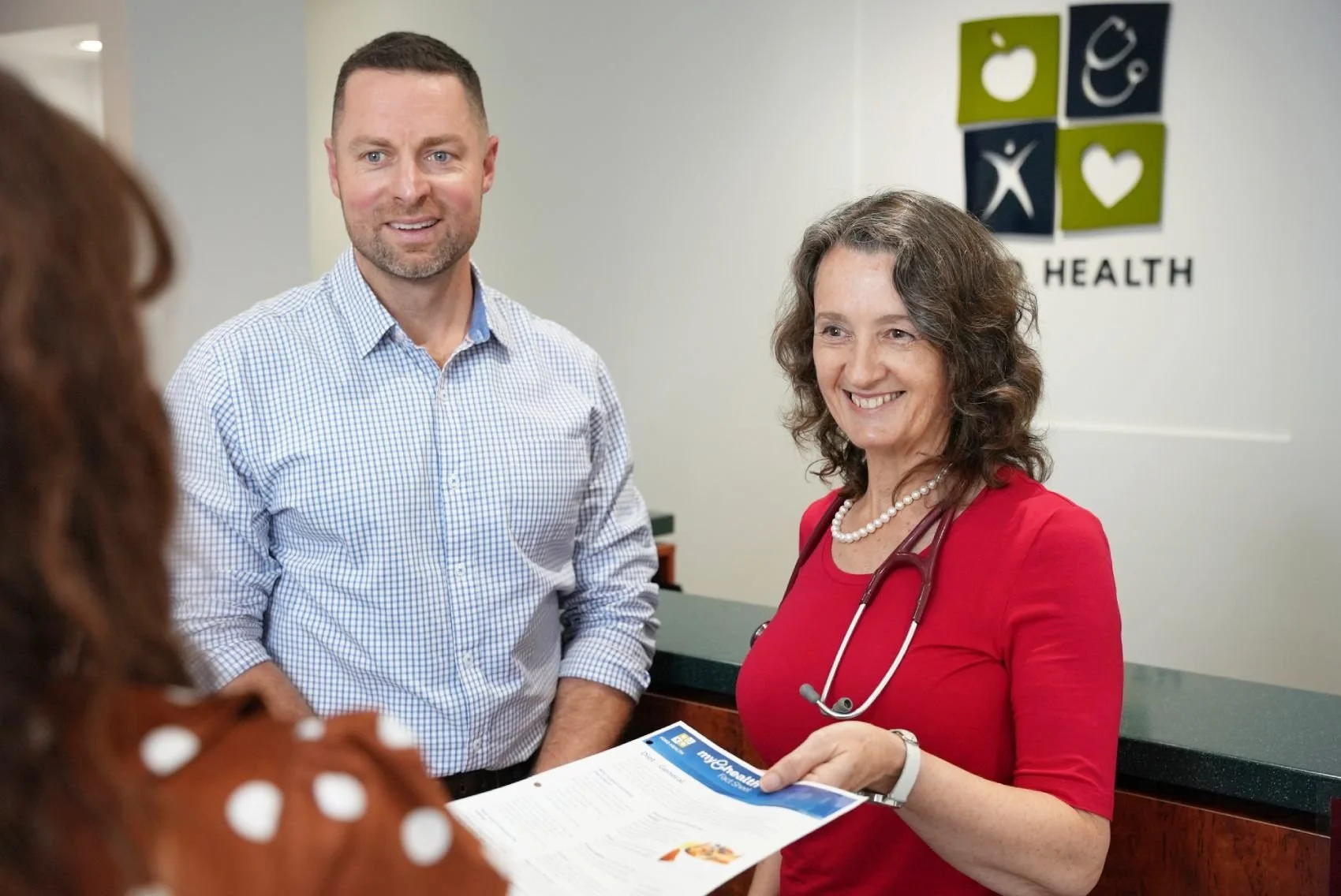
If any concerning findings are detected, one of Ford Health’s doctors will reach out to you right away and provide a clear and detailed explanation of your results, if this is required sooner than your post-assessment consultation. Our team will guide you through the next steps, ensuring that you understand the severity of the findings and your options for further evaluation or treatment.
We also facilitate referrals to top specialists and provide ongoing support to help you navigate the next phase of your health journey.
Frequently Asked Questions
-
SportsHeart is tailored for healthy, active individuals aged 45 years and older, who want to proactively monitor their heart health before symptoms or significant health events occur.
Whether you’re a weekend warrior, amateur competitor or fitness enthusiast, SportsHeart gives you the insights and peace of mind to train smarter and live healthier.
-
SportsHeart assessments start at $1250. Depending on the package you select, this price may vary.
-
The SportsHeart Assessment is powered through Ford Health, who have clinics located across Australia in Brisbane, Sydney, Melbourne and Perth.
-
Once you book a SportsHeart assessment, you will receive a confirmation email from Ford Health that will include a link to register for the Ford Health Portal. From there, you will be able to complete your questionnaire (takes approx. 10 mins) and download your pathology form. Please complete these both at least 48 hours prior to your assessment.
If you selected to have a CAC scan prior to your assessment, you will need to complete the questionnaire as soon as possible. Once your questionnaire is completed, we will have the necessary details to create a referral form for your CAC scan. This will be uploaded to the “Your Medical Records” tab in your portal, which you can download and take for your referral. If you require support in booking in for your CAC scan, please call 1300 660 986.
-
A CAC Scan, or a Coronary Artery Calcium scan, is a non-invasive CT scan that measures calcium deposits in the coronary arteries to assess heart disease risk. This will provide you with an indication of your future risk of a cardiovascular event (e.g. heart attack).
It’s recommended that adults aged over 40 years should have a CAC scan every 2-5 years, dependent on risk factors. To ensure we have recent results to make an appropriate assessment, we recommend you get a CAC scan if it has been longer than 12 months since your last CAC scan. If you have selected this option, you will receive a referral once you complete the questionnaire. Once you have a referral, you can usually get an appointment within 24-48 hours.
-
The SportsHeart assessment is very comprehensive. However, your heart function can still change every year. Given this, we recommend completing a SportsHeart assessment every 2 years to ensure you can confidently compete knowing your heart has been appropriately assessed. If you feel there has been a change in your heart function or concerning symptoms (e.g. tightness of chest) we would recommend you follow this up earlier.
-
Unfortunately, no. Medicare focuses on treating illness, rather than preventing it. As this is a preventative heart assessment, you will not be eligible for a rebate.